OUR PILOT SITES

AMIGOS will test inclusive, safe, affordable, and sustainable mobility solutions in cities to evaluate their impact and replicability. It therefore relies on the participation of 5 cities as living labs (LLs), 10 urban areas as Safety Improvement Areas (SIAs) and 5 twin cities (TCs) for replicability. 

Living Labs

Living labs are entire cities with different particularities and mobility challenges, that will implement the solutions defined with the stakeholders to increase the inclusivity, safety, affordability, and sustainability of their urban mobility.
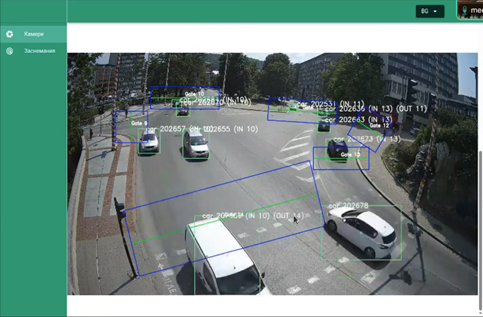
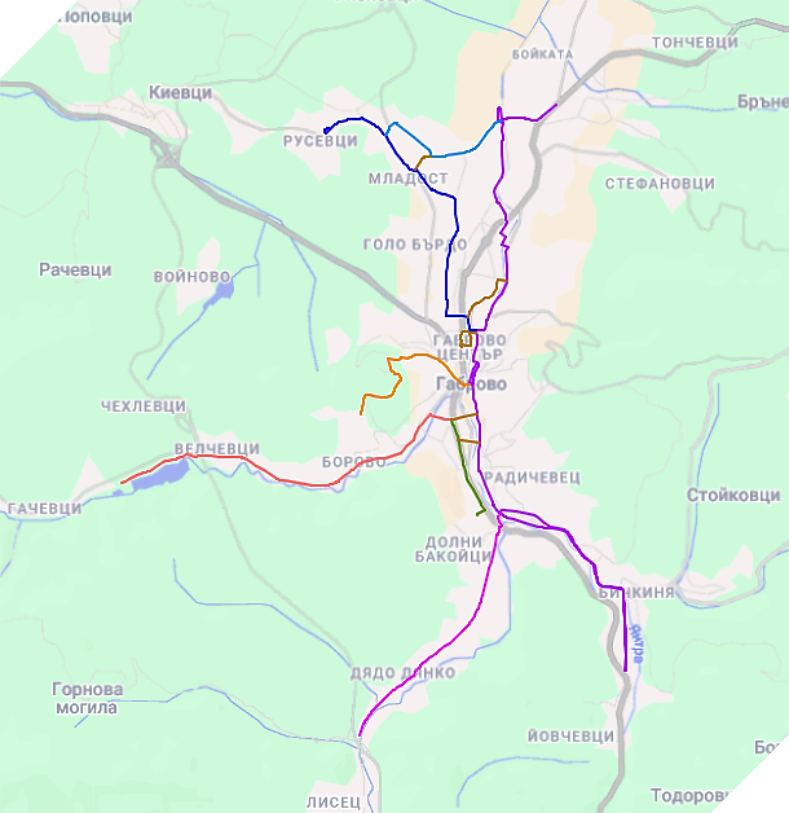
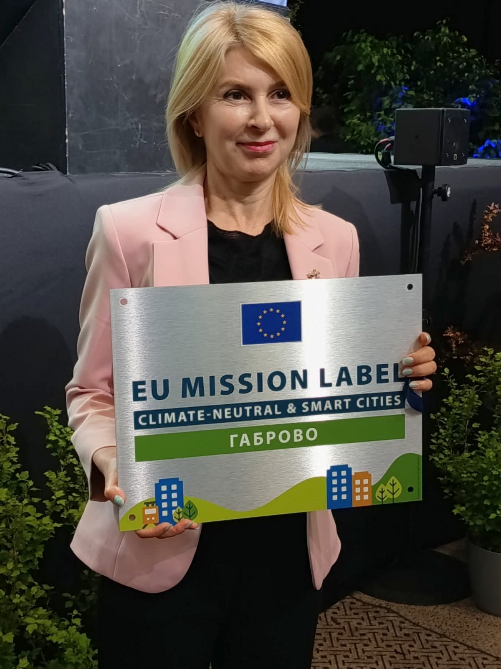
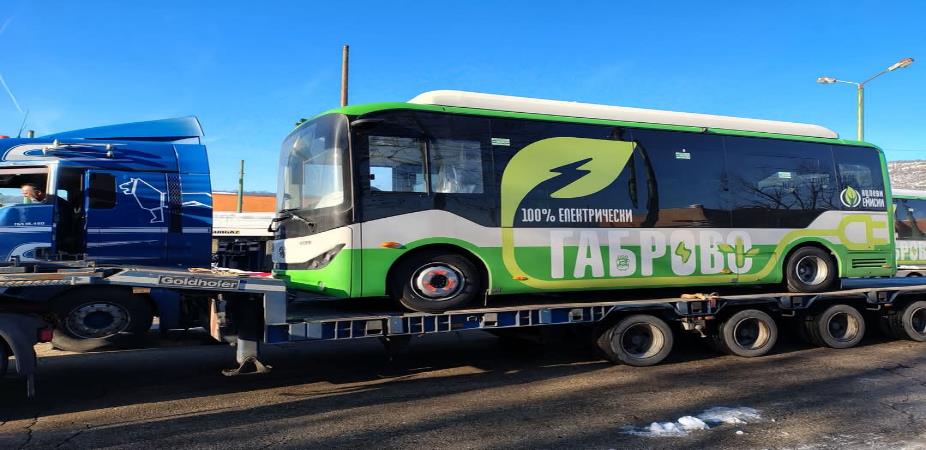
Gabrovo – Bulgaria

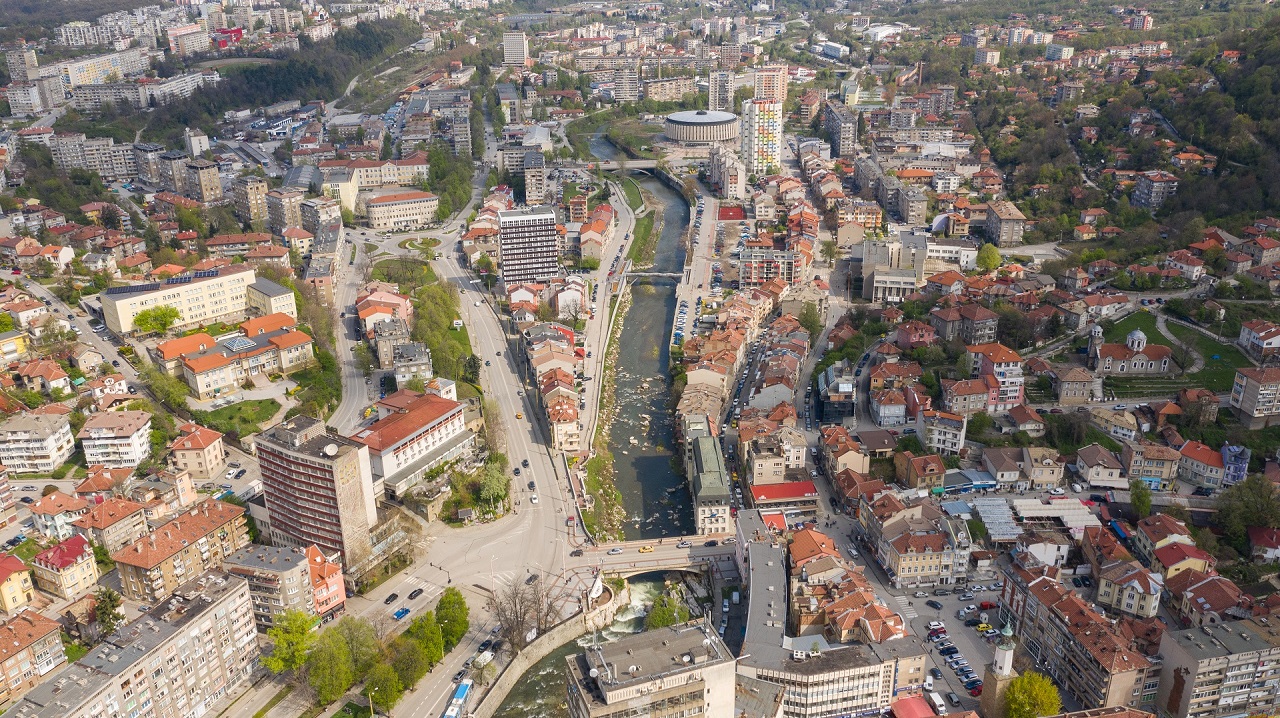
Gabrovo – Bulgaria

Key words: Promotion of sustainable urban mobility, active mobility, traffic optimisation, climate neutrality

Main characteristics:

  • Population of around 60,000 inhabitants 
  • Located in the North Central region of Bulgaria 
  • Highly industrialised city committed to sustainable mobility, climate action and the goal of achieving carbon neutrality by 2030 
  • Proactive local government implementing measures aligned with the Climate City Contract 
  • Increasing focus on integrated cycling infrastructure, modernised public transport and digital mobility tools 

Challenges to tackle:

  • Long, linear city form with significant distances between residential areas and the city centre 
  • Limited population size, affecting public transport viability 
  • Insufficient traffic management and traffic-control systems 
  • Lack of well-developed cycling infrastructure 
  • Risk-prone areas around schools, increasing vulnerability of children and pedestrians 

Main goals of the LL:

  • Improve road-safety conditions citywide 
  • Cut emissions from road transport and support climate-neutral mobility 
  • Reduce traffic congestion through optimised traffic management and control 
  • Increase public-transport use and promote active mobility (walking and cycling) 
  • Support decision-making with digital-twin simulations and AI-enabled traffic monitoring 

Hamburg – Germany  

Hamburg – Germany  

Key words: safety, security, sustainability, active mobility, inclusion, accessibility, liveability, people in vulnerable situations, walking

Main characteristics:

  • Almost 2 million inhabitants.
  • One of Europe’s busiest ports which is a major feeder for the Baltic Sea too.
  • Renowned for its dense, modern, vertical, urban development, particularly in the HafenCity, one of Europe’s largest inner-city regeneration projects.
  • More than 500,000 commuters each day and a major tourist destination.
  • Good public transport network, bicycle and scooter sharing as well as car sharing
  • Flat topography

Challenges to tackle:

  • Despite having an extensive public transportation network, Hamburg’s streets are still car dominated (moving and stationary).
  • A lot has been done for making the transportation system more accessible and inclusive, but further improvement is still going on.
  • Car traffic and low accessibility for pedestrians in some areas create safety risks for vulnerable groups, such as the elderly, and hinder the use of active mobility options.

Main goals of the LL:

  • Reduce car traffic while promoting more sustainable and active mobility alternatives in the district of Hamburg-Lohbrügge
  • Enhance the interaction between different modes of transport
  • Create higher liveability in streets.
  • Make transportation safer, and more environmentally friendly by means of scalable and transferable measures.

Istanbul – TÜRKİYE

Istanbul – TÜRKİYE

Key word: active mobility, environmental protection

Main characteristics:

  • Over 16 M inhabitants. 
  • Geographically, connects the continents of Europe and Asia through the Bosphorus with 3 bridges and one underwater tunnel. About 65% of Istanbul’s land area is in Europe, while the remaining 35% is in Asia. 
  • Has a hilly topography. 
  • One of the densest vertical urbanization among the cities of the world.  
  • Has rich cultural history since it played an important role throughout the centuries. Attracts lots of domestic and foreign tourists. 

Challenges to tackle:

  • Since Istanbul is so densely populated, transportation of inhabitants environmentally becomes a great challenge. Among the 11,6 million trips made each day, only 28% are by public transportation and just 0.5% by bicycle. 
  • Many people lack awareness about how to share lanes with bicycles, as well as where cyclists should and should not cycle. 

Main goals of the LL:

  • Improving the existing bicycle paths. 
  • Raising awareness that cycling is not only for recreational purposes, but also a mode of transportation. 
  • Fostering a mindset of respecting cyclists in traffic among the inhabitants of Istanbul, which is essential for the safety of both cyclists and pedestrians. 

Lappeenranta – Finland

Lappeenranta – Finland

Key words : developing sustainable mobility

Main characteristics:

  • Population about 73 000  
  • Growth driver city in southeastern Finland  
  • Characterized by lake Saimaa, forest industry and the proximity to the Russian border 
  • Modern universities LUT and LAB  
  • The city aims to achieve carbon neutrality by the year 2030. 

Challenges to tackle:

  • The hilly topography. The city is located on the Salpausselkä ridge, which was created during the last Ice Age.  
  • Long shaped, fragmented city. Suburbs are separated from the center by industry areas, lake, airport or military area. 
  • Quite long distances to the city center 

Main goals of the LL:

  • Promote active mobility, especially cycling 
  • To identify the barriers to cycling 
  • Improve the city bike system 
  • Improve co-habitation between mobilities 

Las Rozas – Spain

Las Rozas – Spain

Key words: Planning, digitalisation, school trips and sustainability 

Main characteristics:

  • Population: 98,000 inhabitants (2024) 
  • Area: 59 km² 
  • Population increase 2000-2015: +18.5% 
  • Median age: 37.5 

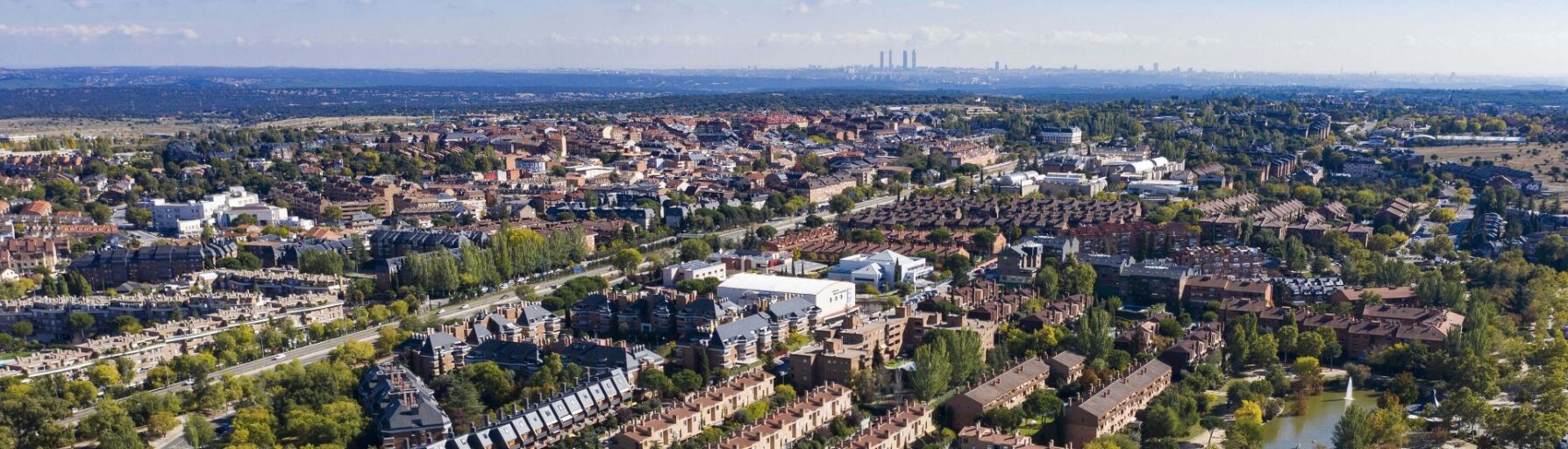
Las Rozas is a very dispersed municipality with a considerable extension crossed by major highways Las Rozas, due to its particular expansion and fracture due to the automobility arteries that interrupt it, needs a huge effort on planning mobility solutions so that the people who arrive to the city every day, through the train stations, can access the centres of attraction such as the universities or the office and business areas. 

The extension of the municipality, the urban dispersion, the increase in population that has occurred in recent years and the existence of an important business network, makes Las Rozas an important generating focus and attractor of both internal and external trips to the municipality.  

On the other hand, the big amount if schools in Las Rozas and the car dependency on the school trips is a concern of the city so planning more sustainable alternatives is essential in the Living Lab.

Challenges to tackle:

  • Municipality dispersion and the existence of three main axes (boteh regional and national roads) pose great challenges for the management of the mobility of the municipality especially for the promotion of active mobility (pedestrians and cyclists)  
  • Different levels of administration managing road infrastructures 
  • Environmental problems generated in recent years in the municipalities by the excessive use of polluting vehicles 
  • Car dependency on school trips   

Main goals of the LL:

  • Improve mobility solutions so that the people who arrive to the city every day, through the train stations, can access the centres of attraction such as the universities or the office and business areas  
  • Optimise routes to schools  
  • Give alternatives for improving sustainability on school trips  
  • Improve mobility planning process  

Safety Improvement Areas

AMIGOS aims to solve specific and localised mobility challenges in the hearth of European cities by targeting ten Safety Improvements Areas some of which are areas within the living labs. Safety Improvement Areas (SIAs) are urban or peri-urban areas which are suffering from mobility-caused safety issues due to the conflict between motorised transport and people on foot and cycling. AMIGOS will develop, pilot and implement mobility solutions with the local people and stakeholders aiming to reduce road safety risks, reducing exposure to air and noise pollution and the perceived feeling of unsafety for pedestrians and cyclists. Some of the SIAs are specific areas of LLs.
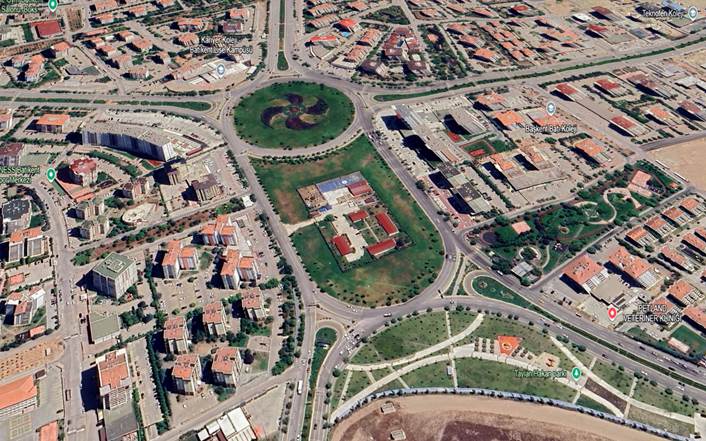
Ankara’s Bicycle Campus – TÜRKİYE

Ankara’s Bicycle Campus – TÜRKİYE

Key words: safety, bicycle

Main characteristics:

  • Safety-Oriented Design: Focuses on integrating traffic lights, dedicated bicycle paths, and pedestrian infrastructure to ensure safe transitions for cyclists and pedestrians.
  • Accessibility Improvements: Enhances entry and exit points for staff and visitors, making the campus more user-friendly during both daily operations and events.
  • Sustainability Focus: Promotes eco-friendly mobility by prioritizing cycling and pedestrian movement within urban transport planning.
  • Inclusive Infrastructure: Addresses the needs of diverse users, including cyclists, pedestrians, and event participants, fostering a shared and sustainable urban space.

Challenges to tackle:

  • Cyclists exiting the Bicycle Campus are forced into flowing traffic without a safe transition, creating significant safety risks.
  • Lack of essential infrastructure such as traffic lights, bicycle path connections, pedestrian sidewalks, and crosswalks exacerbates the danger for all road users.
  • Difficult access to the campus impacts staff during workdays and limits citizen participation in events, hindering overall usability and engagement.

Main goals of the SIA:

  • Establish safe and seamless connections for cyclists, including traffic lights and dedicated bicycle paths.
  • Create pedestrian-friendly infrastructure, such as sidewalks and crosswalks, to enhance accessibility for all users.
  • Improve access points to the campus to facilitate smoother entry and exit for staff and citizens during events, ensuring inclusivity and safety.

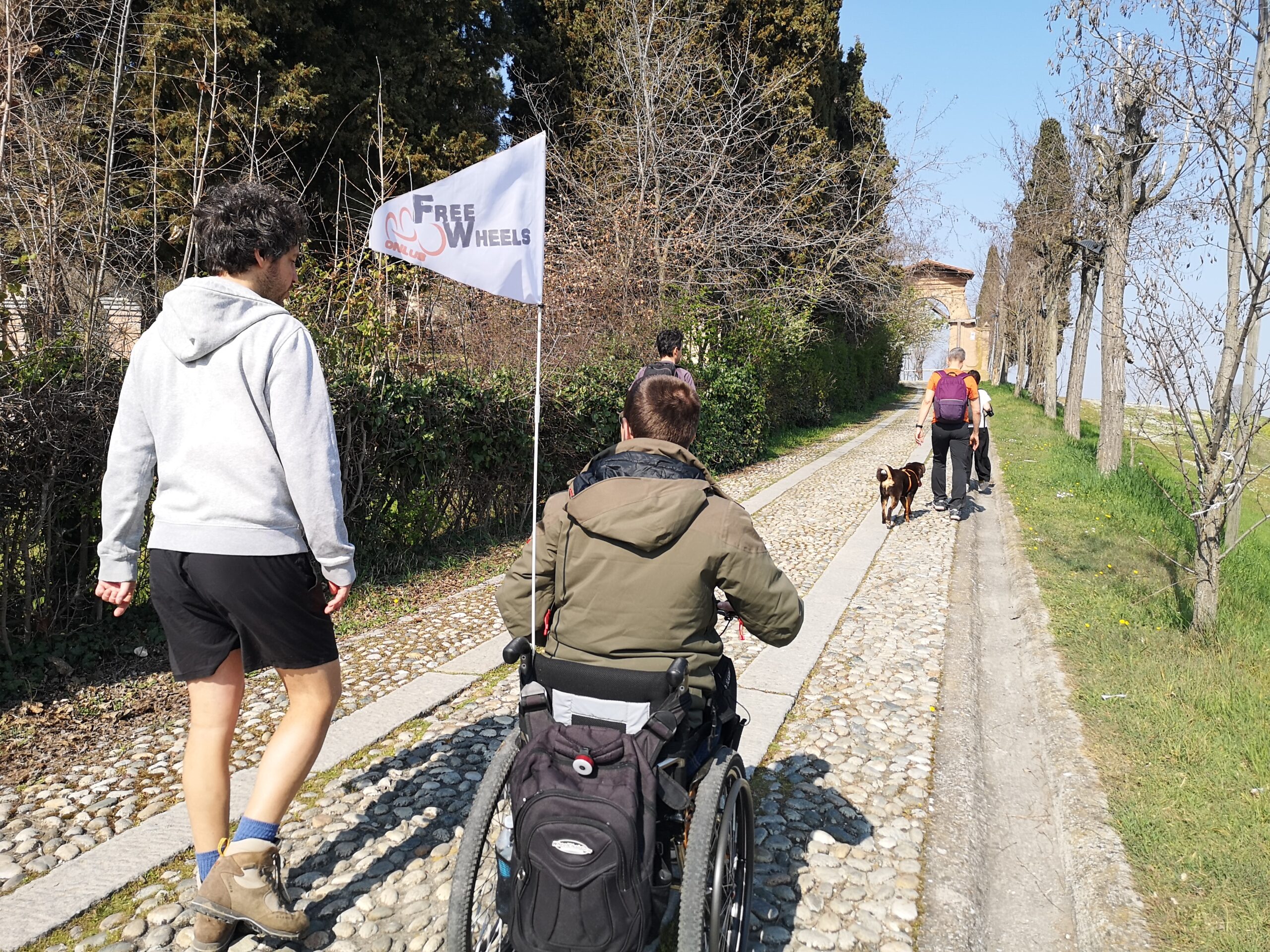
Bologna’s touristic routes – Italy 

Bologna’s touristic routes – Italy 

Key word: safety, security and inclusion

Main characteristics:

  • Improve accessibility, safety and inclusion of touristic itineraries for people with disabilities

Challenges to tackle:

  • Raising awareness among stakeholders
  • Boosting skills and competences
  • Adapting existing info package and signals

Main goals of the SIA:

  • Boost competencies, improve accessibility and promote route’s safety for people with disabilities 

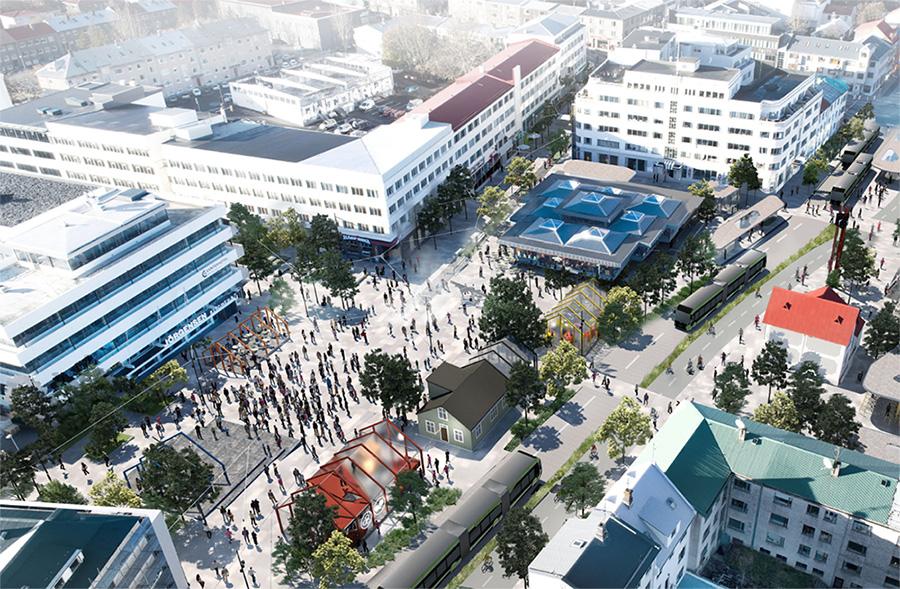
City of Reykjavík – Inner City “Hlemmur” Mobility Hub – Iceland 

City of Reykjavík – Inner City “Hlemmur” Mobility Hub – Iceland 

Key word: safety, security and inclusion

Main characteristics:

Background 

Project A - Breaking the Car Habit 

Reykjavík is known for its strong “car culture.” Most residents rely on cars for daily travel, often driving alone rather than carpooling. Public transport use has long carried a stigma, and walking or cycling is often dismissed as impractical. Weather is commonly cited as the main barrier, but habits play an even greater role. Once driving becomes the default, alternatives are rarely considered—even on good-weather days. 

Challenge: Make the choice of transport conscious again, rather than habitual. 

Project B - Transforming Hlemmur Square 

Hlemmur has historically been Reykjavík’s central bus hub, dominated by car traffic and uninviting for pedestrians and cyclists. From 2022-2027, the square is undergoing a major transformation into a car-free mobility hub, prioritizing walking and cycling. During this long construction period, however, accessibility and safety remain pressing concerns, as many people still pass through the site daily. 

Challenge: Ensure that green travel remains safe, accessible, and appealing during years of construction. 

Project A - Goals and Approach 

The aim is to increase the use of green transport modes - walking, cycling, and public transport - among students and employees. 

How it works:

A one-month initiative where participants track their transport modes through an app. 

  • Prizes are awarded to encourage participation: 
  • Students: The more minutes they travel green, the higher their chance of winning small and large prizes. 
  • Employees: Prize chances increase if they use green transport at least 3 days per week. 

Additional motivators include app notifications, inter-workplace competitions, and behavioral nudges (e.g., implementation intentions). 

Long-term vision: 

  • Encourage participants to make their choice of transport mode conscious rather than habitual.  
  • Establish the initiative as an annual project at universities and workplaces. 
  • Share results and expand the model to more schools and organizations. 

Project B - Goals and Approach 

The focus is on making long-term construction sites in Reykjavík safer and more accessible, with Hlemmur Square as a central case study. 

Key actions: 

  • Before-and-after study: Compare how people move through Hlemmur before (car-heavy road) and after (pedestrian-friendly square) construction (parts of the mobility hub are already constructed, and these parts will be studied).  
  • On-site interventions to improve safety and accessibility in construction site: 
  • Reduce falling hazard of concrete block fences by anchoring colorful steel pipes in them that both eliminate tripping risks and guide pedestrians safely through the site. 
  • Add playful elements (balls on pipes) for children. 
  • Install benches anchored in the same blocks, signaling safety and providing rest areas. 
  • Mobility Observation Boxes (MOB): Monitor how these interventions impact flow, accessibility, and risk. 

Long-term vision: 

  • Set a model for improving safety and usability at other construction sites across Reykjavík. 
  • Demonstrate how inclusive design can make construction zones safer for vulnerable groups, such as children and the visually impaired. 

GET IN TOUCH: hannah.ros.sigurdardottir.tobin@reykjavik.is

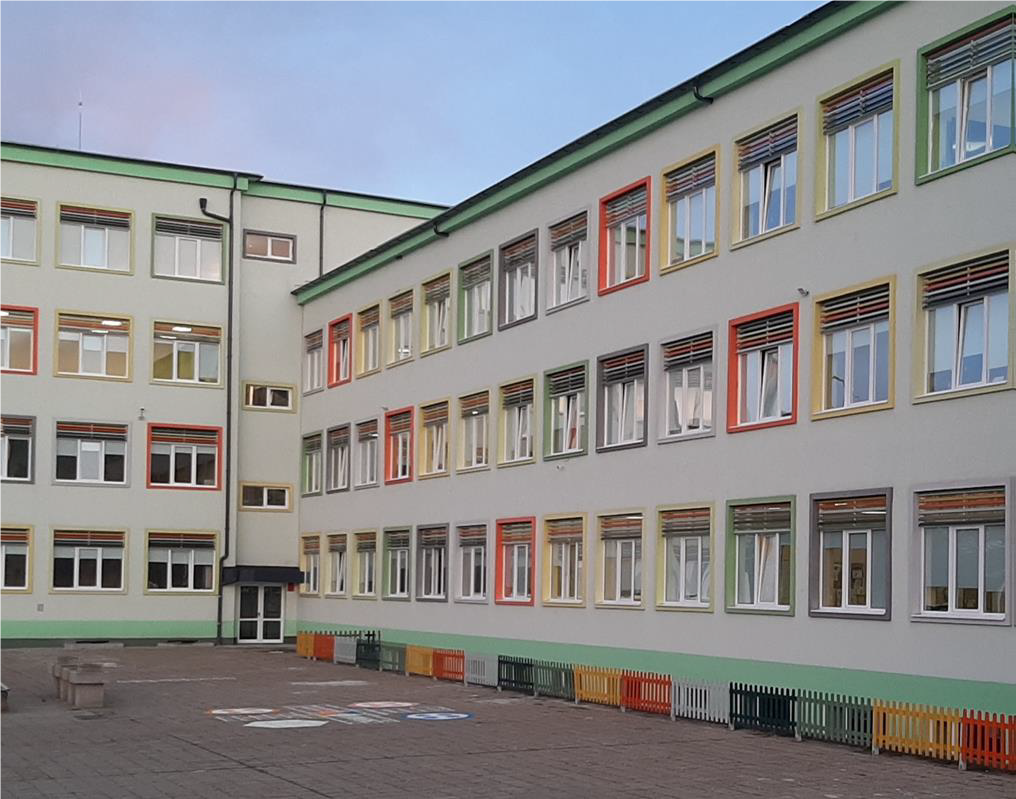
Gabrovo’s public school in the city centre – Bulgaria

Gabrovo’s public school in the city centre – Bulgaria

Key words: School-zone safety, active mobility for students, improved air quality 

Main characteristics:

  • The SIA focuses on the area around School “Saints Cyril and Methodious”, one of Gabrovo’s largest schools 
  • Located in a densely populated district with heavy traffic and risky conditions for commuting students 
  • Area used daily by children, parents, teachers and local residents 
  • Co-creation workshops engaged parents and school staff in identifying safety issues and mobility needs 

Challenges to tackle:

  • High levels of parental car use for school drop-off and pick-up 
  • Parents perceive independent walking or cycling as unsafe due to traffic and weak infrastructure 
  • Lack of organised traffic flow, signage and speed-reducing measures around the school 
  • Need for safer pedestrian and cycling access to encourage sustainable modes 

Main goals of the SIA:

  • Improve safety conditions for students by reducing parental driving and calming traffic 
  • Encourage walking, cycling and public transport use for school mobility 
  • Increase air quality in the school environment 
  • Implement new signage, one-way conversions, pedestrian-first street design and safer crossings 
  • Support the redesign with mobility data and insights from AI-based traffic analysis 

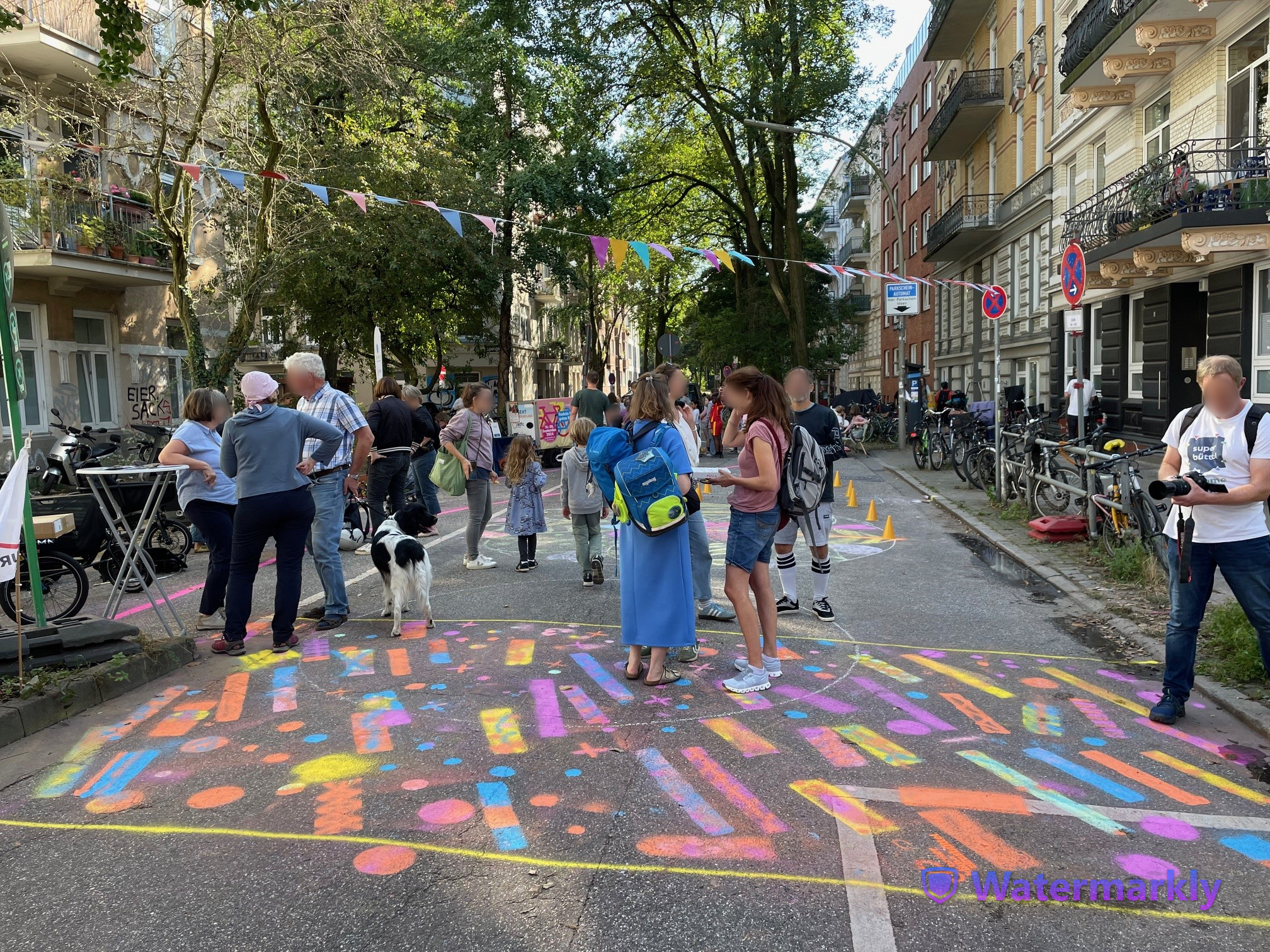
Hamburg’s district of Eimsbüttel – Germany 

Hamburg’s district of Eimsbüttel – Germany 

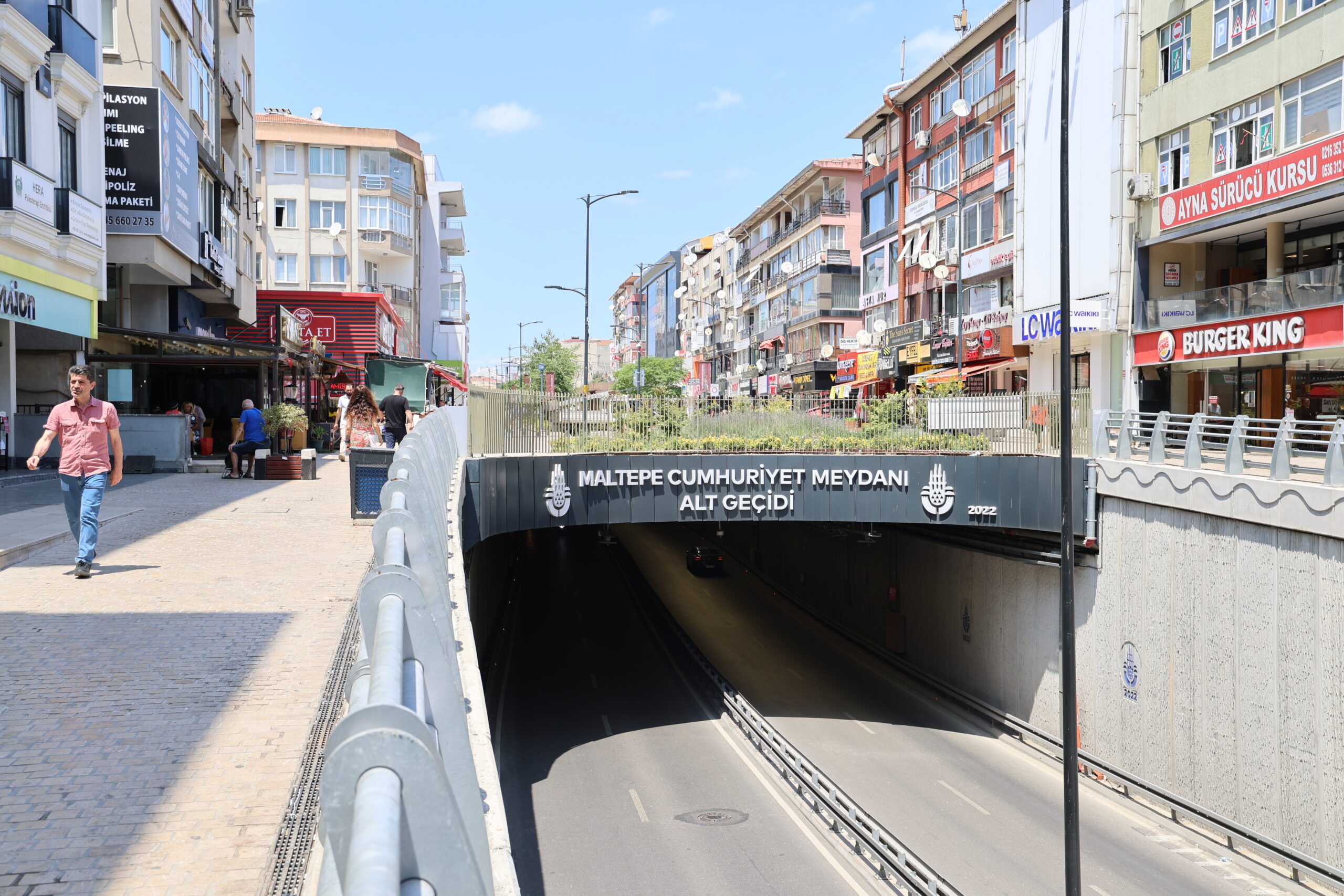
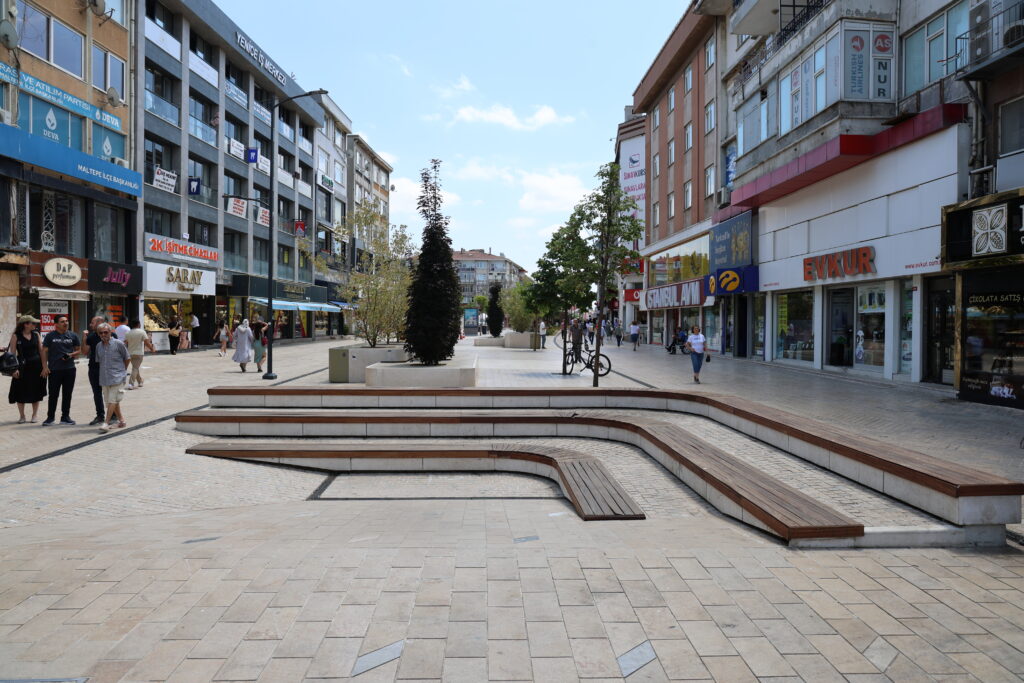
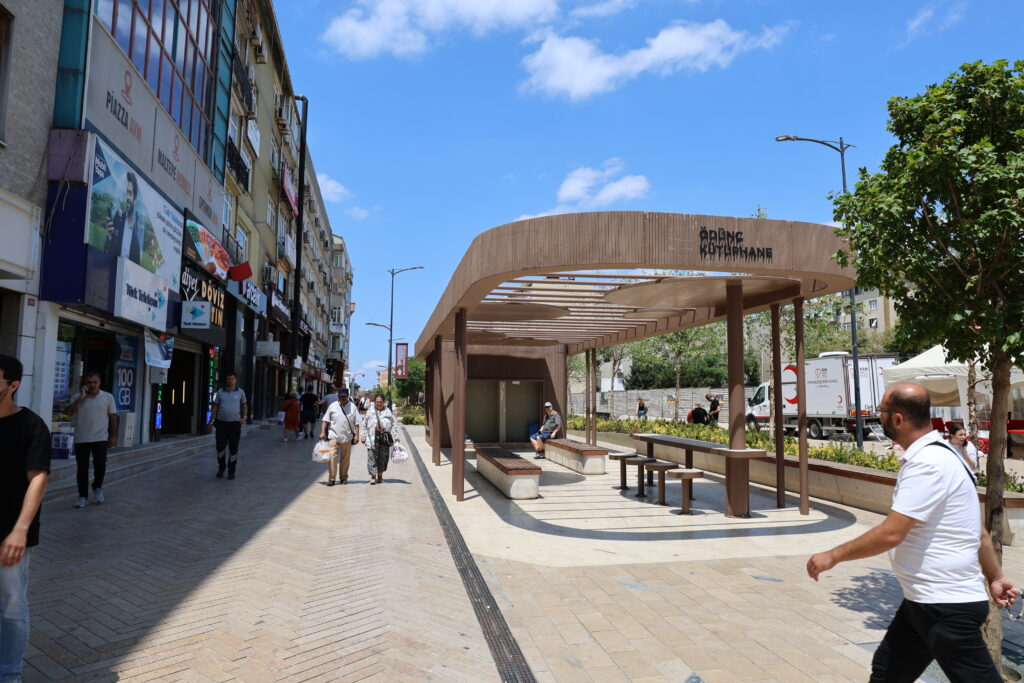
Istanbul’s pedestrianized zone in city center – TÜRKİYE

Istanbul’s pedestrianized zone in city center – TÜRKİYE

Key word: safety and security

Main characteristics:

  • High urban mobility with majority of daily activities carried out on foot. 

Challenges to tackle:

  • Daytime population density represents 10 times the night-time population. 
  • Complicated cohabitation between vehicles and pedestrians. 
  • Due to the usage of fossil fuel-based vehicles, air quality is going worse in most of the areas of the city.
  • Due to usage of fossil fuel-based vehicles and the unnecessary usage of their klaxons, the noise pollution is going worse in most of the areas of the city, especially in the areas which have heavy traffic.
  • Finding the conflicts and risk creating components for the traffic 

Main goals of the SIA:

  • Measurement of the noise and air quality before and after the pedestrianisation
  • Creating cleaner, safer, more accessible and more inclusive areas for the inhabitants, for everyone to have a public place where they can have some social time with the benefits of having better air quality, a safe place away from motored vehicles for their kids and animals, less noise pollution, and better accessibility for fragile groups, such as disabled people, people with the stroller, elderly people, and etc.
  • “Mobility Observation Box (MOB)” will be used to analyse and overcome the risks and conflicts in the pilot abovementioned area.   

Jurmala’s school district – Latvia

Jurmala’s school district – Latvia

Key word: safety and security

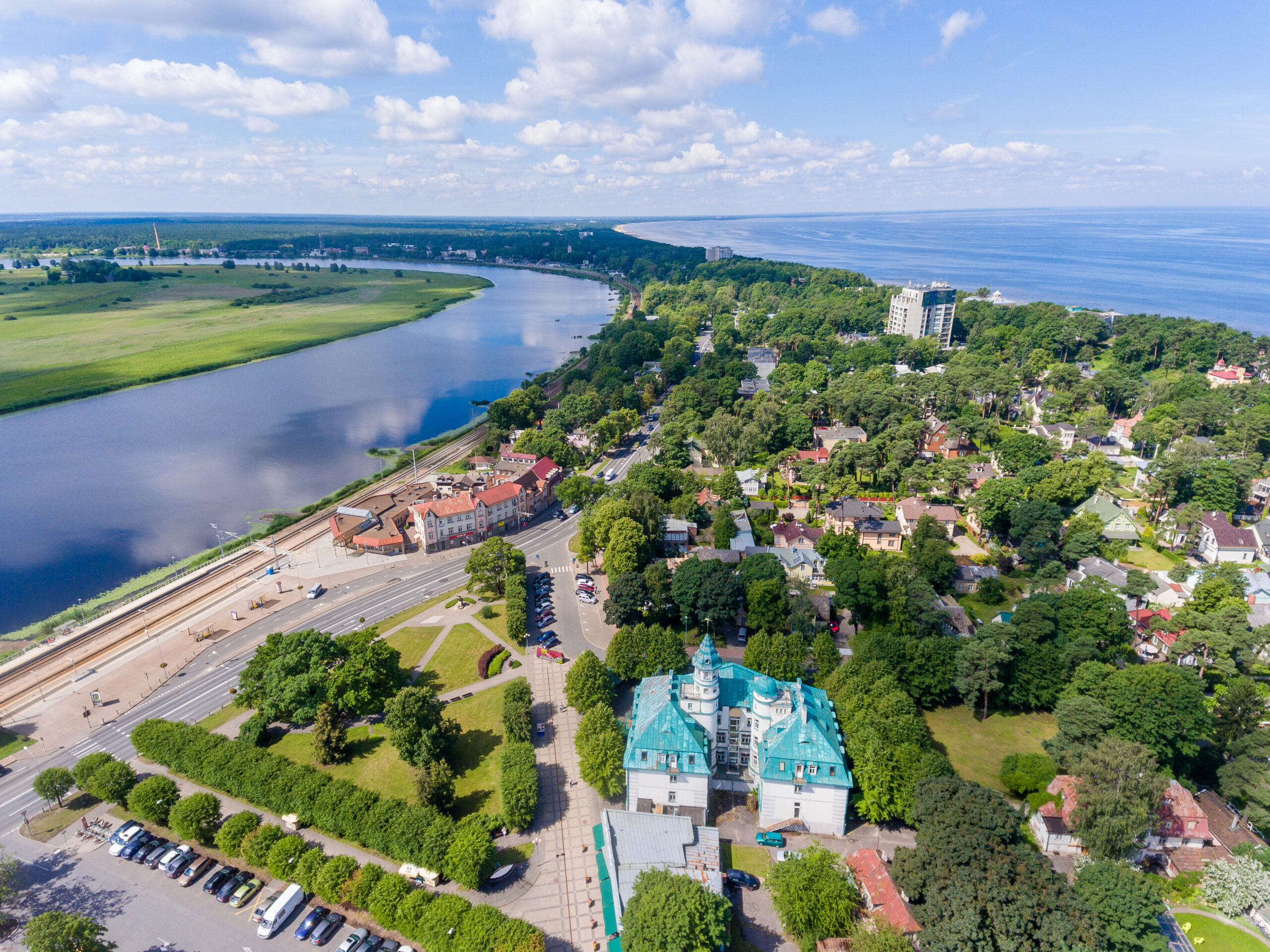
Jūrmala, a resort city with a unique, stretched-out shape, lies between the River Lielupe and the Gulf of Rīga. With the city’s narrowest part being between the two bodies of water, only ~320 meters. 

The presence of the sea, a 24-kilometer-long beach, and romantic wooden architecture give the city a unique aura. Today, Jūrmala combines wild nature, recreational opportunities, cultural and historical heritage, and a modern city for living, business and vacations. 

Main characteristics:

  • School district area that includes 2 schools, 2 kindergartens, a music school, an art school, a library, a public space (a park, playground and an open-air concert hall), and public transportation stops. Streets with poorly coordinated traffic flow can be observed in the area. Residents and students use the roads for their daily activities. The area is considered unsafe due to a lack of traffic organisation and sidewalks. 

Challenges to tackle:

  • The key challenges in this area revolve around transforming mobility behaviour and improving traffic conditions. There is a need to shift residents’ reliance on private cars toward more sustainable modes of transport. Special attention is being given to morning hours when the streets are most congested and vulnerable groups, such as children, are most at risk. 

Main goals of the SIA:

  • To develop and implement an effective traffic reorganisation strategy that enhances safety, accessibility, and flow. 
  • To encourage and increase the use of alternative mobility modes such as bicycles, walking, and public transportation. 
  • To create a more inclusive and child-friendly urban environment that supports healthy, sustainable, and equitable mobility for all. 

Las Rozas’ multimodal mobility hub – Spain

Las Rozas’ multimodal mobility hub – Spain

Key word: safety, security and multimodality

Main characteristics:

  • Las Matas neighbourhood is in the north part of Las Rozas. Is a small neighbourhood separated to the rest of the municipality by important highways.  It has a commuter station where workers and visitors arrive to Las Rozas. Also, the neighbours living in the area need improvements in the mobility solutions (more improvements in sustainable mobility, accessibility etc.).
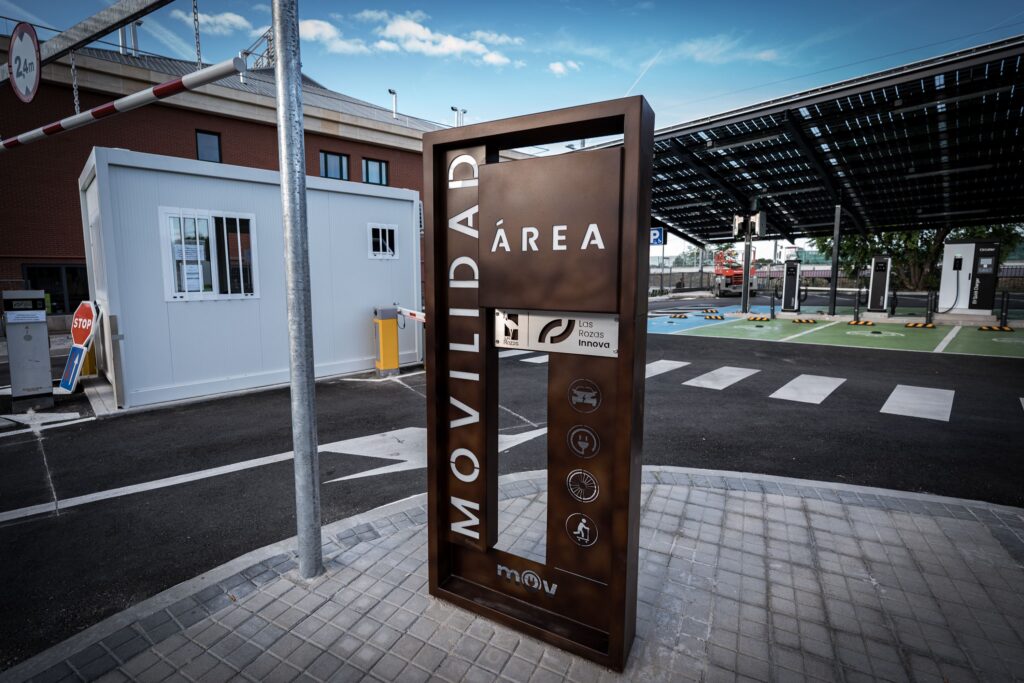
  • Las Rozas SIA is situated on the surroundings of the commuter station and the public parking managed by Las Rozas Innova creating a new multimodal mobility hub that will improve the safety of this area. In the pilot Las Rozas Innova will improve the connection by bicycle between the commuter station with other important points of the neighbourhood (schools, libraries etc)  

Challenges to tackle:

  • Interactions between pedestrian and cars in the entrance and exit of the parking  
  • The bike lane finish in the roundabout is has no connection with other points of the neighbourhood (schools, library etc) so in makes more difficult use bikes  
  • Accessibility problems (small streets with signals that makes difficult walking or going with wheelchair, baby stroller) 
  • Access routes from station to the rest of the city (crossing highways) are not as safer as needed 
  • Problems associated with vandalism of personal mobility vehicles in parking areas 

Main goals of the SIA:

  • Create new connection between the bike lane and the multimodal mobility area 
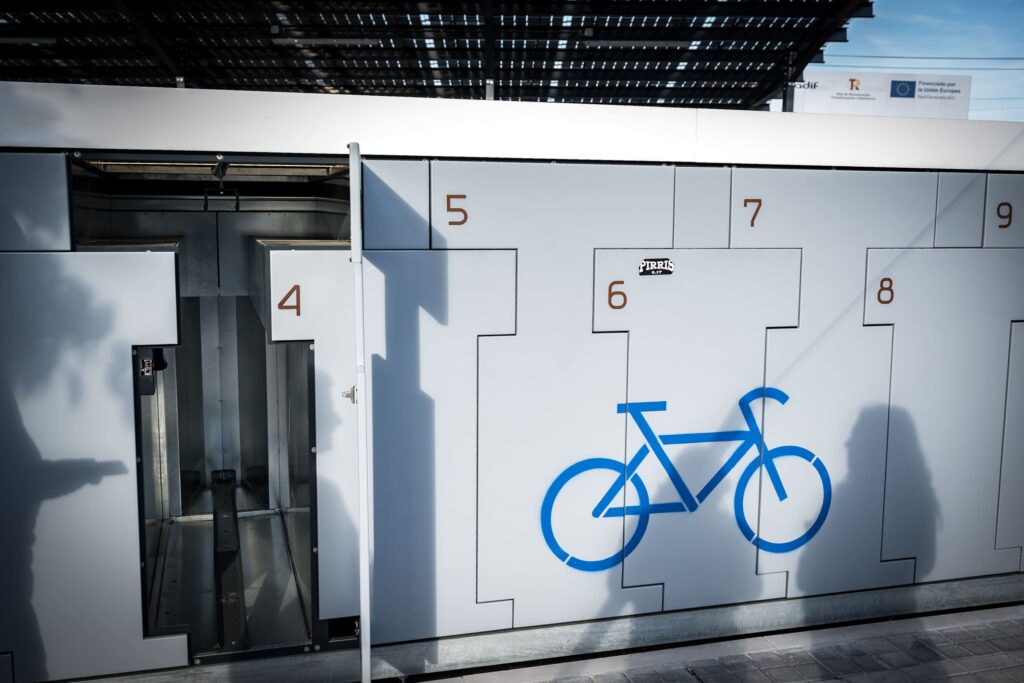
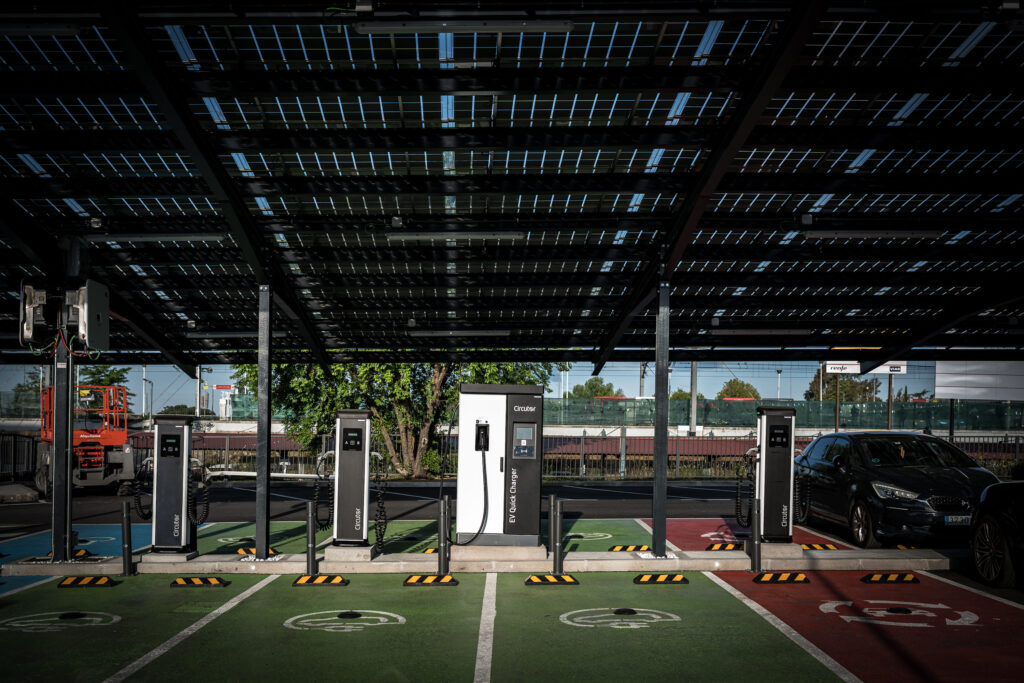
  • Increase the mobility options for the neighbours and visitors of the area (electric charging points, parking for personal mobility vehicles etc) 
  • Improve safety in the interactions between pedestrians and cars in the entrance of the parking   

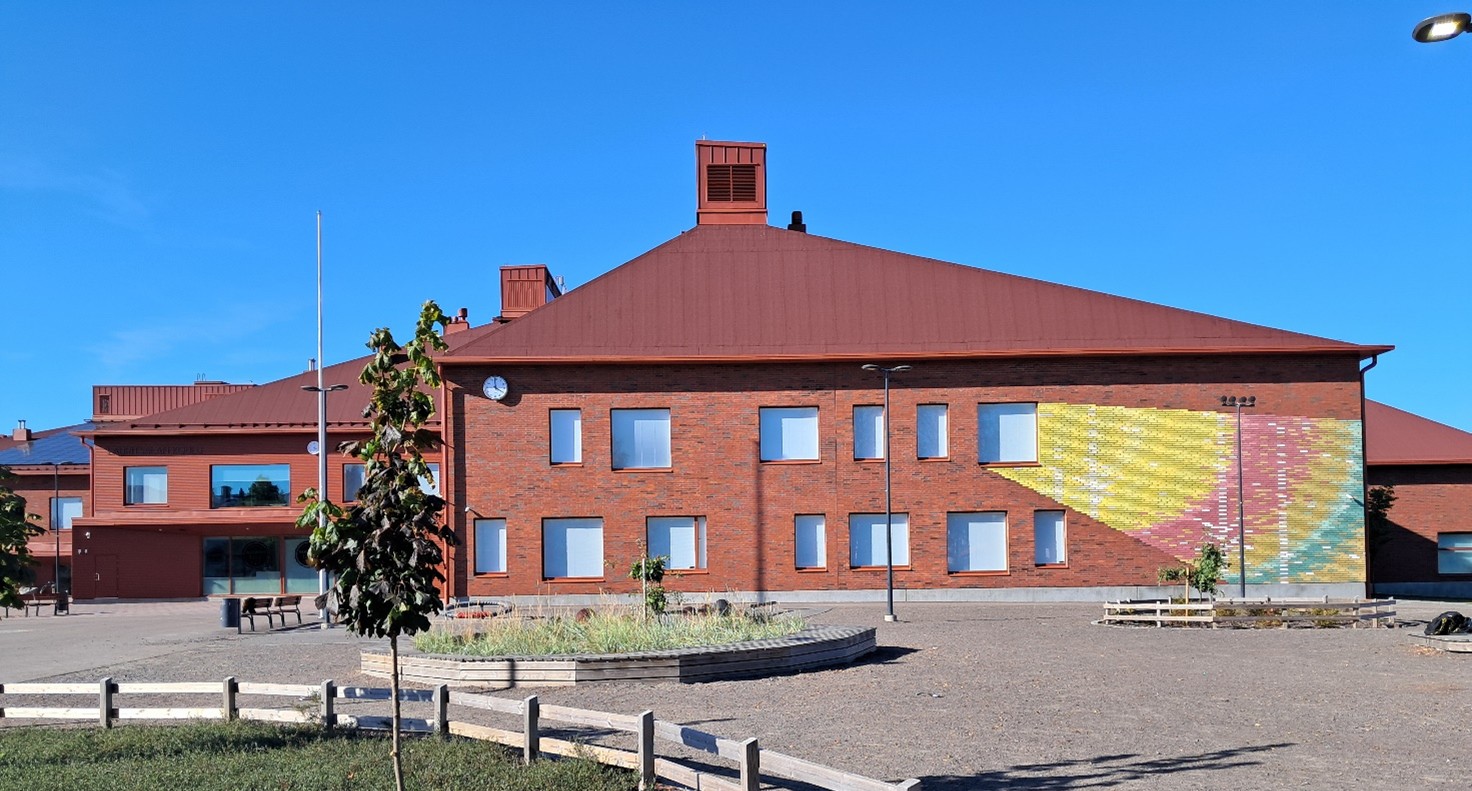
Lauritsala school and kindergarten area in Lappeenranta –Finland 

Lauritsala school and kindergarten area in Lappeenranta –Finland 

Lauritsala school and kindergarten area in Lappeenranta – Finland 

Key word: safety and security 

Main characteristics:  

  • The school is in suburb about 4 kilometers away from the city center.  
  • Area includes a kindergarten and a school of 770 students.  
  • The school area is located along a busy road but is otherwise surrounded by small residential houses and narrow streets.  
  • The school plot is open to the public outside of school hours. 

Challenges to tackle:  

  • Dangerous traffic spots (limited visibility, overlap of different mobilities etc.) 
  • Reduce parental driving 

Main goals of the SIA:  

  • Smoother co-habitation between mobilities 
  • Safer active modes of transport and traffic arrangements for schoolchildren, kindergarteners and their parents and residents 

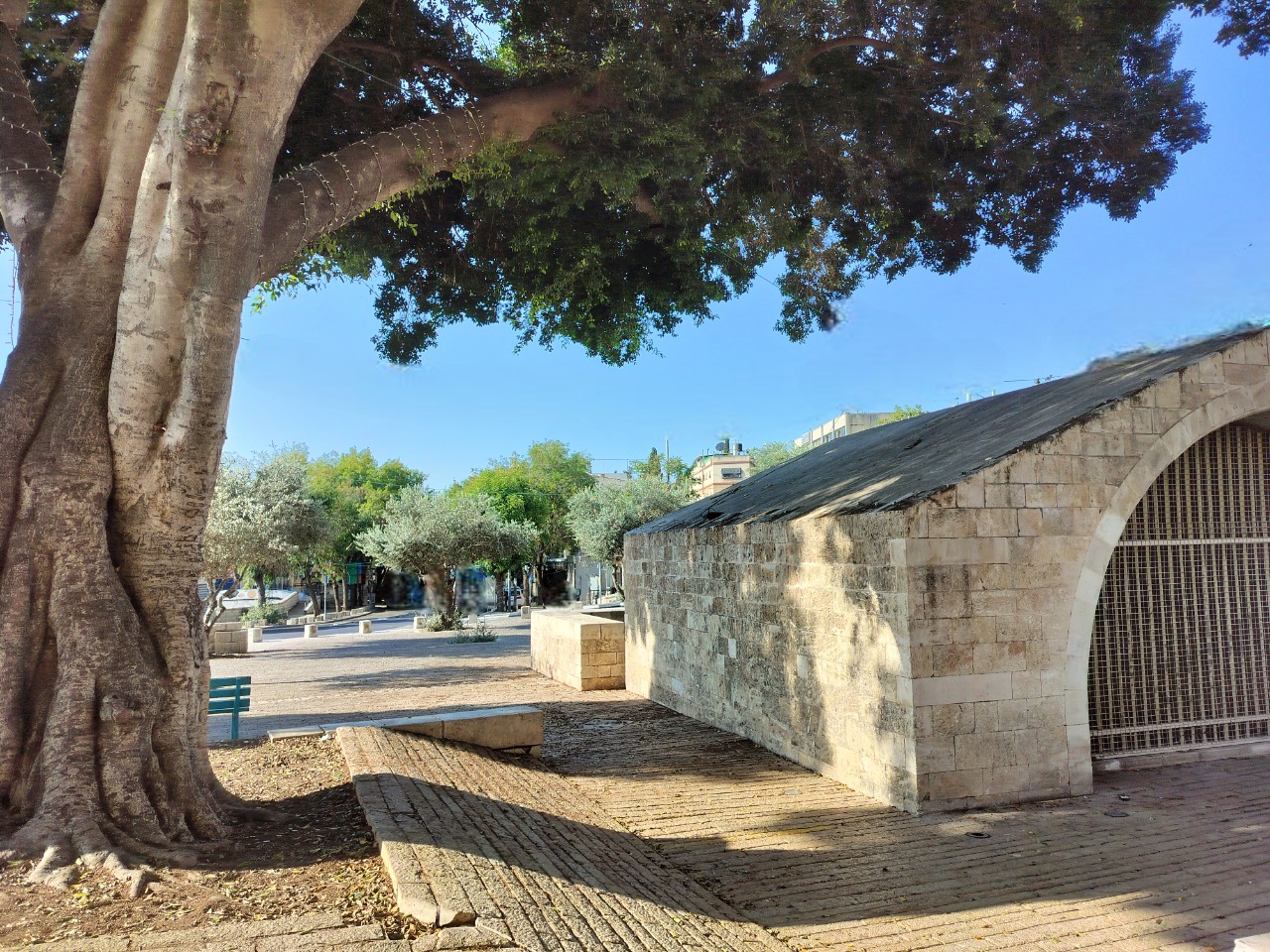
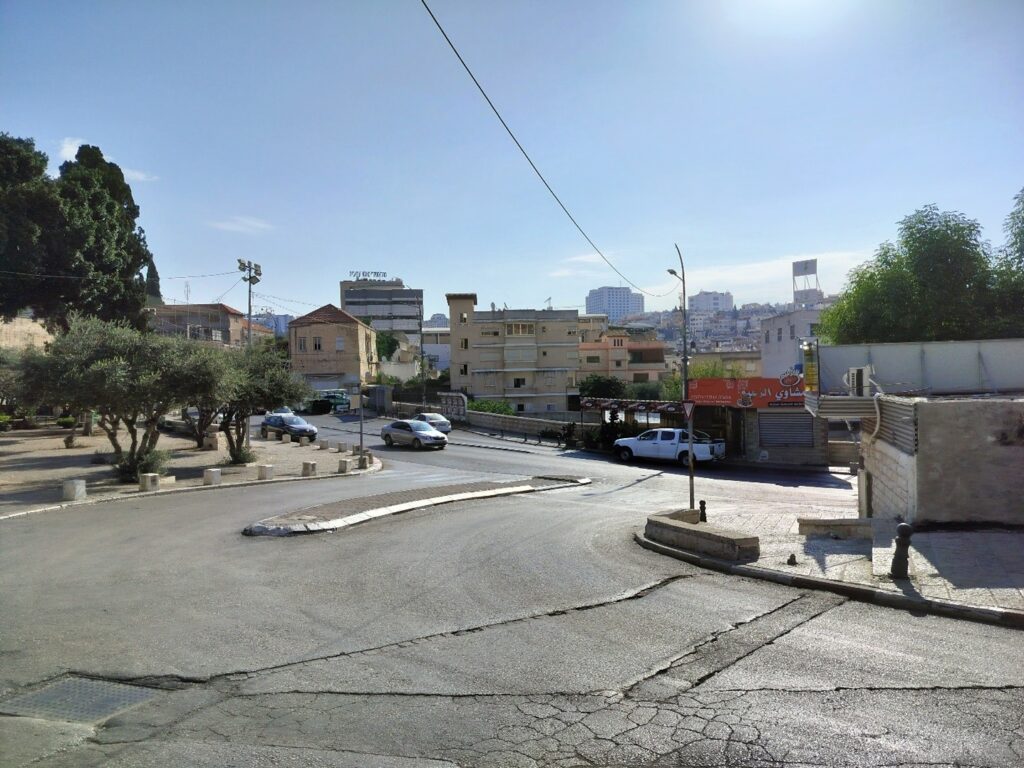
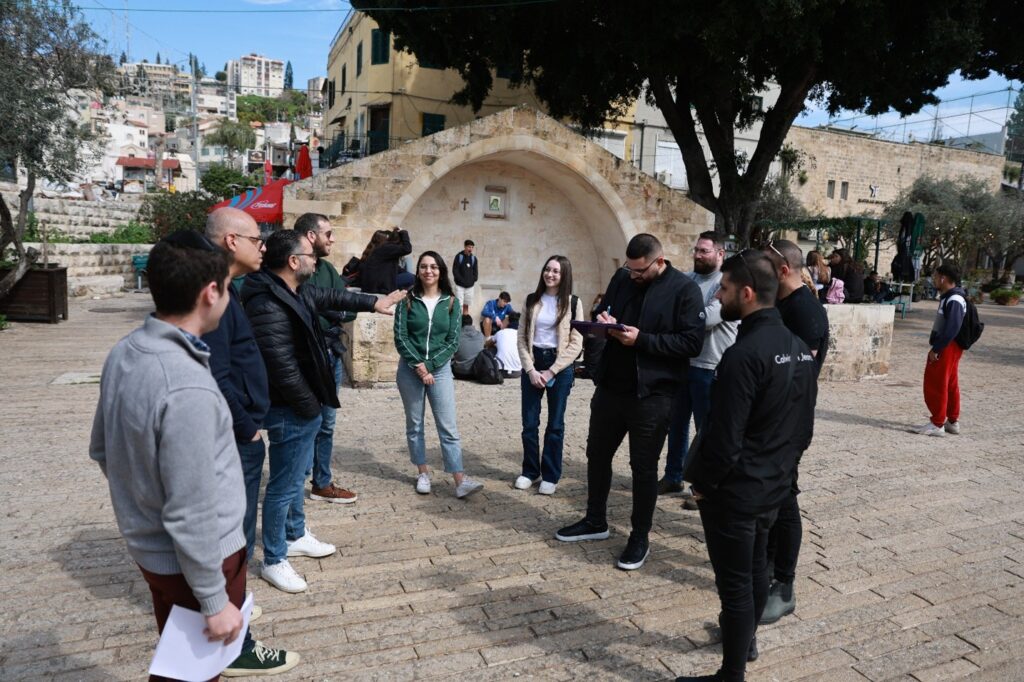
Nazareth’s Mary’s Well Intersection – Israel

Nazareth’s Mary’s Well Intersection – Israel

Keywords: Perceived safety, pedestrian experience, historic district mobility

Main characteristics:

  • Unsignalized intersection located on one of Nazareth’s main urban arteries, at the northern end of the “Crusaders’ Walk” route connecting several key historic sites. 
  • The piazza hosts Mary’s Well, a major tourist attraction frequently visited by international groups; nearby are local schools, hotels, and the Orthodox Church of the Annunciation, generating diverse and vulnerable pedestrian flows. 
  • Over 1,600 buses pass through the intersection daily, making it an important public transport node. 
  • Infrastructure is in poor condition: rutted asphalt, faded street markings, barely legible signage, and obstructed sidewalks that force pedestrians to squeeze through or walk on the road. 
  • No designated loading/unloading zone for deliveries or tourist buses, leading trucks and coaches to stop in the roadway and disrupt traffic. 

Challenges to tackle:

  • The intersection is in a historic area, where space is limited and invasive interventions are discouraged. 
  • The location is essential for daily vehicular circulation, making any reorganization sensitive for traffic operations. Lack of safe pedestrian infrastructure: no crosswalk connecting the bus stop to the piazza, existing crossings lack refuge islands, obstructed sidewalks create conflicts between pedestrians and vehicles. 
  • High perceived safety risk discourages walking and reduces the attractiveness of this key urban destination. 

Main goals of the SIA:

Improve the comfort and perceived safety of pedestrians moving through or visiting the area. 

  • Enhance infrastructure quality and reorganize traffic to reduce conflicts between pedestrians and motorized vehicles. 
  • Implement targeted interventions based on AMIGOS insights (MOB data, co-creation workshops), including: 
  1. Widening the southern sidewalk 
  1. Adding pedestrian refuge islands 
  1. Replacing outdated signage 
  1. Refreshing street markings 
  1. Resurfacing sidewalks 
  1. Adding a new crosswalk 
  1. Creating a designated loading/unloading zone for tourist buses and deliveries 

Ultimately, make the area more pleasant, accessible, and walkable, encouraging increased pedestrian activity. 

Twin cities

Twin cities (TCs) are cities that will implement one or more solutions previously tested by the living labs and safety improvement areas, and thus test their replicability.
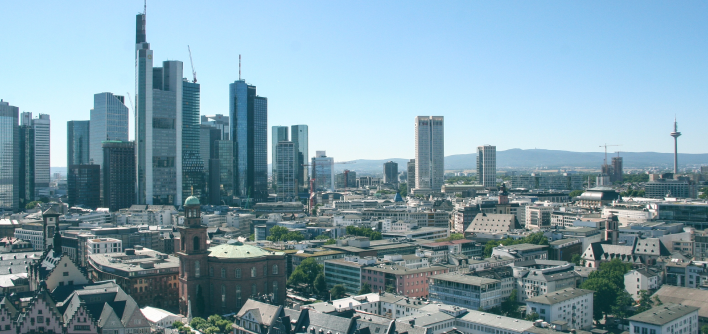
Frankfurt – Germany

Frankfurt – Germany

Key words: safe and sustainable urban mobility

Main characteristics:

  • Large transport hub; more than 770,000 inhabitants and more than 350,000 commuter per day
  • Wide variety of public transport (suburban train, metro, tram and bus); city of short distances (lots of foot and bike traffic as well as e-scooters); mobilized individual traffic dominated

Challenges to tackle:

  • Growing mobility on limited road width; area competition between different forms of mobility, high number of moving people around the city (especially rush hour);
  • Changing individual attitudes towards alternative forms sustainable mobility; accessibility

Main goals of the SIA:

Strengthening safe and sustainable urban mobility, reduction of mobilized individual traffic (Reduction of use and land requirements, increase of traffic safety and quality of life); greater area efficiency

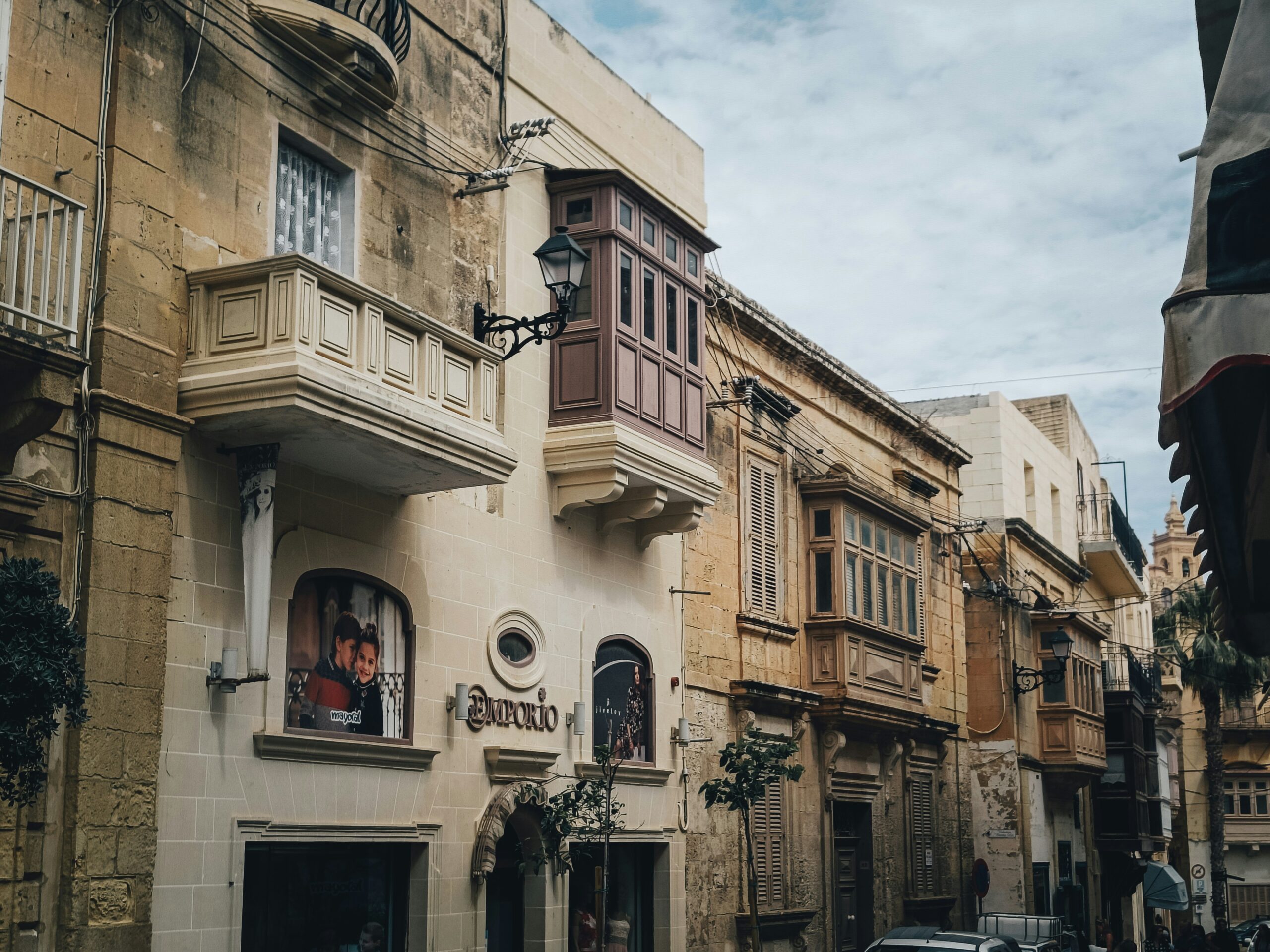
Gozo – Malta

Gozo – Malta

Key word: active mobility

Main characteristics:

  • When taking into account Gozo’s geographical characteristics, and population, it is clear that the number of registered vehicles per capita is high. Local people consider owning a vehicle as a necessity. What is striking is that during the past decade, the number of registered vehicles has doubled when the population did not.

Challenges to tackle:

  • Changing mentality; steep topography; public transport network

Main goals of the SIA:

Increase the usage of other mobility modes (like bicycles or electric powered ones and public transport), increase the usage of public transport; adopting a more friendly usage public transport network. 

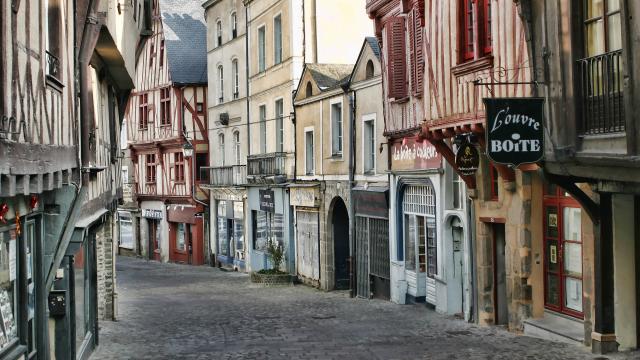
Laval – France

Laval – France

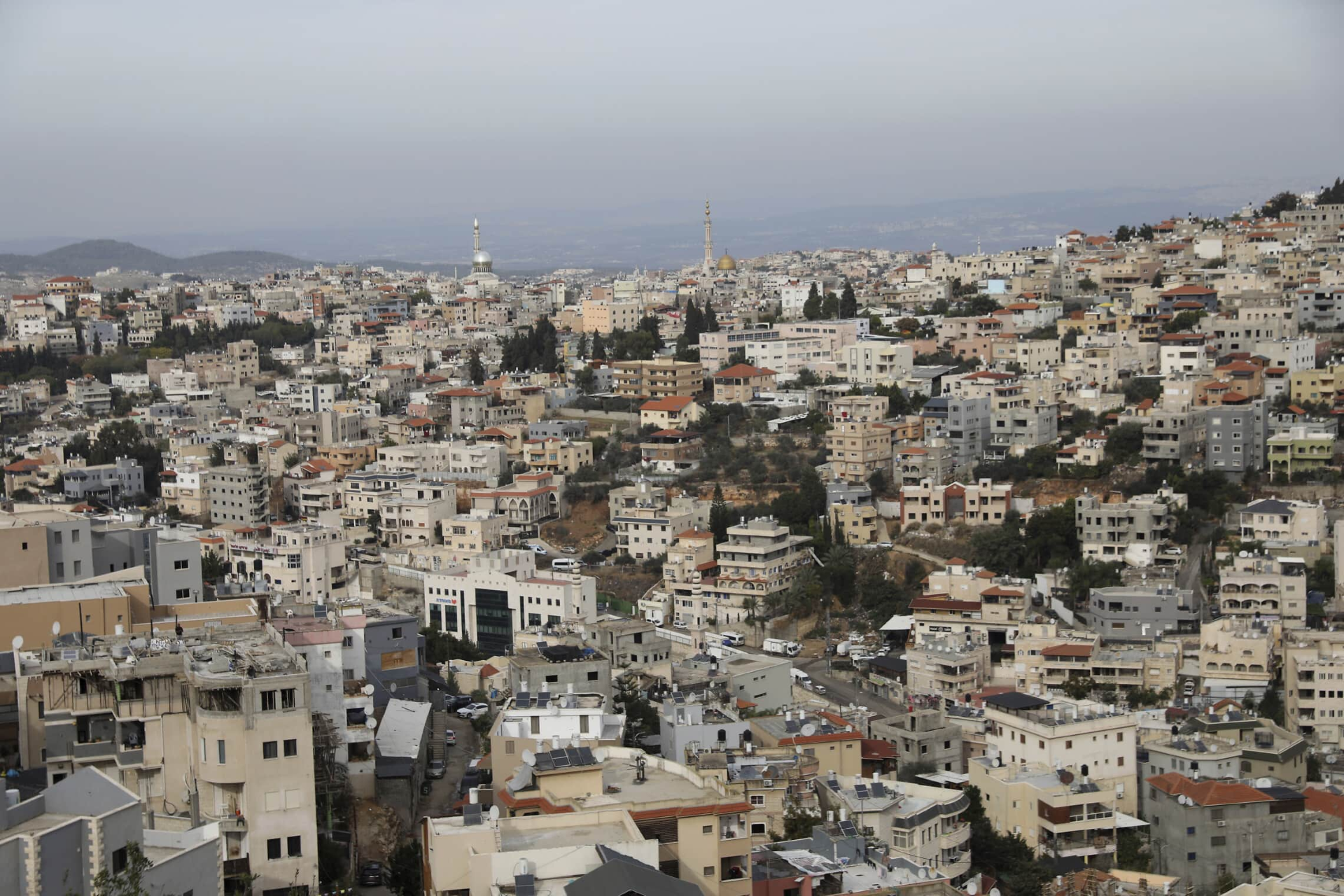
Umm al-Fahm – Israel 

Umm al-Fahm – Israel 

Keywords: safety, accessibility, participatory mobility governance

Main characteristics:

  • Third-largest predominantly Arab city in Israel, with around 59,000 residents, 99.9% of whom are Muslim Arabs. 
  • Major cultural, social, and economic hub for the Wadi Ara and Triangle regions
  • Located on the Umm al-Fahm mountain ridge, with a historically layered urban evolution—from Ottoman agrarian settlements to British Mandate administration, and later incorporation into Israel (1949) and recognition as a city (1985). 
  • Strong internal social organization shaped by clan-based quarters, community associations, and civic activism
  • Increasing civic capacity reflected in recent initiatives such as the Green Carpet Association for tourism and environmental projects, and the Umm al-Fahm Art Gallery
  • Relevant as a case study of local governance biomes, community-led planning, and mobility participation in a socially cohesive yet politically complex context. 

Challenges to tackle:

  • Steep topography and narrow street rights-of-way limit accessibility and safe circulation. 
  • Underdeveloped mobility infrastructure and weak connectivity to regional transport networks. 
  • Socioeconomic pressures, including high poverty rates and limited municipal resources. 
  • Structural constraints typical of peripheral urbanisation and minority governance contexts, affecting mobility planning and service provision. 
  • Need to strengthen participatory governance for mobility policies in a context marked by strong social cohesion but institutional constraints. 

Main goals of the TC:

  • Replicate and adapt lessons learned from AMIGOS Living Labs and SIAs within a new, complex urban and governance ecosystem
  • Test how participatory mobility governance, safety improvements, and accessibility measures can be transferred to a predominantly Arab city with unique socio-spatial characteristics. 
  • Provide local officials with new tools, data-driven insights, and simulation-based policymaking methods to better serve residents. 
  • Enhance walkability, safety, and accessibility in ways aligned with the city's cultural identity, community structures, and emerging environmental initiatives. 
  • Contribute to AMIGOS’s assessment of how mobility innovations can be scaled to diverse European and neighbouring contexts. 

Wiesbaden – Germany

Wiesbaden – Germany

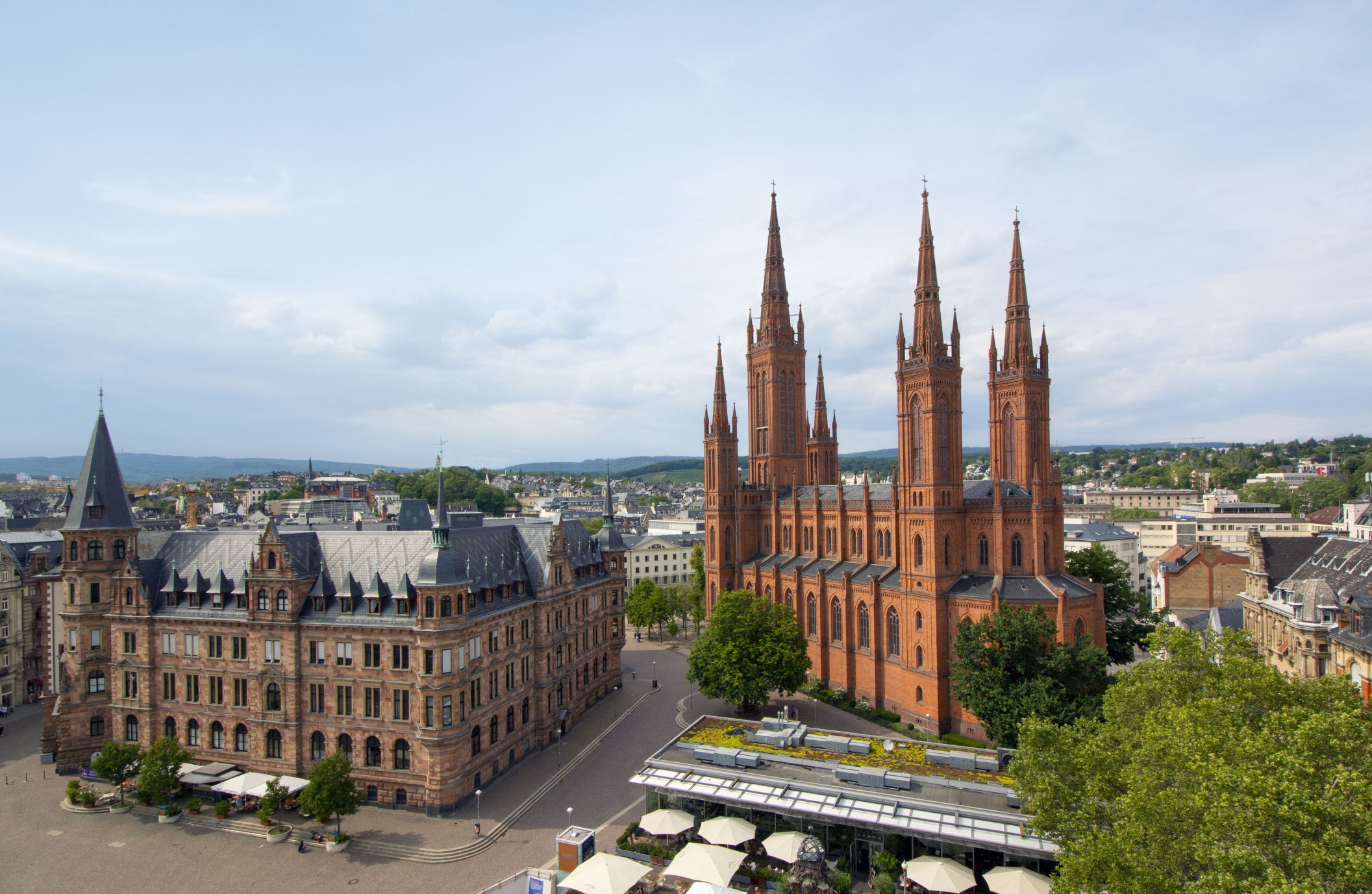
Between the River Rhine and the hills of the Taunus lies the former spa town and current state capital of Hesse. Hot springs, beautiful architecture, parks and green spaces characterise the city.

With more than 280,000 inhabitants, Wiesbaden is the second largest city in Hesse after Frankfurt am Main and is part of the Rhine-Main metropolitan region.

en_GB
en_GB